
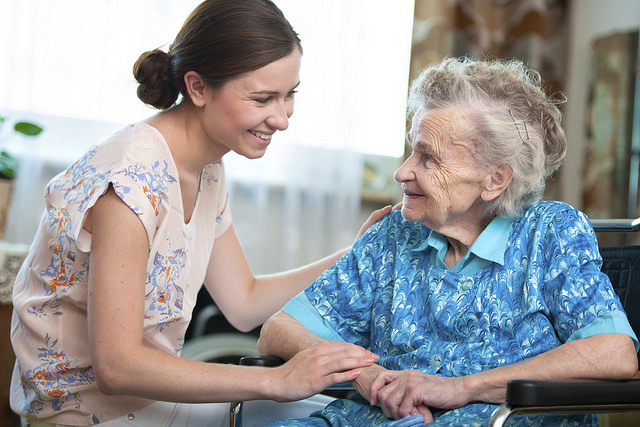
When someone you love gets older, you want to make sure that he or she gets the care they need. You want your loved one to live with independence and dignity, and at the same time, you may worry whether they can take proper care of themselves. You may become distracted at work with concerns that they could fall while getting out of the tub, that they may forget to take their medication, or that they may not have the mental and physical ability to care for themselves.
As you navigate these concerns, a reliable option you might consider is placing your loved one in a nursing home. Yet, this would involve a significant loss of independence, which may not align with your loved one’s wishes. They deserve care, but at the same time, want to live with dignity, stay in their neighborhood, and make their own choices. Therefore, the logical compromise is to consider hiring a home caregiver who can make sure your loved one has needed care while allowing them to carry out their day-to-day activities.
Home caregivers can offer a personalized approach to care by tailoring their services to meet the needs of the individual. They can help with various tasks, such as meal preparation, light housekeeping, and transportation to appointments. As you explore this option, you might be wondering, “what is a caregiver” and how can they improve your loved one’s quality of life? A caregiver is a professional who can offer assistance with daily living activities while maintaining the well-being and safety of the individual they care for. To find the best caregiver for your loved one, it is important to understand their needs and how a caregiver can address those needs.
Look at Credentials
When you choose a home caregiver, one of the first things to do is to find a nursing home finder that can provide you with qualified choices. Look for healthcare administration resources that provide caregivers to private clients. Ask to see full references for individual applicants and ask about their educational and professional qualifications. Make sure that the agency is well-established and is run by qualified professionals who have relevant degrees, such as those in healthcare administration. Learn more here about how to get your executive MHA from USC online
The Personal Touch
Before you meet with applicants face to face, qualifications are the most important thing to pay attention to. However, when you have narrowed down the applicant base and are meeting with prospective caregivers in person, focus on personality. You want someone who is warm, empathetic and patient. Go with your gut feeling about applicants and invite back people about whom you generally feel comfortable. Introduce the final applicants to your loved one and see if the chemistry is positive. There is no replacement for a good rapport, and this should influence your final choice.
Do a Final Check
Even though you and your loved one feel good about a certain applicant, it is still important to do due diligence. Discuss in more detail hours, wages and special considerations. Think about things that are non-starters, such as smoking and other personal situations and habits. It is vital to check the applicant’s background for a possible criminal record and to ask the agency for reviews from former clients.
Before signing a final agreement, see if you can do a trial run to make sure the connection is productive. Ask the agency about procedures in case you want to replace the caregiver you have chosen, but take the time to select the kind of person you ideally won’t have to replace.
Independence and Comfort
You want your loved one to be secure and independent, and it may seem difficult to achieve both. Hiring a home caregiver is one of the best solutions for those who want the right care provided while preserving your loved one’s independence and dignity.
Before we conclude, to fully appreciate the benefits of hiring a caregiver, it’s essential to understand the key Differences between a caregiver and a caretaker. Although these terms are often used interchangeably, they have distinct roles. Caregivers provide comprehensive care, including emotional support and personal assistance, focusing on the well-being of individuals who require support.
In contrast, caretakers typically focus on property maintenance and upkeep. Consequently, choosing a caregiver ensures that your loved one receives personalized care tailored to their needs, allowing them to thrive in their own home. Ultimately, this approach tends to support both physical needs and emotional well-being, reducing stress and anxiety by maintaining social connections and routines.


